

Overview:
Pre-market movers are stocks exhibiting significant price or volume activity before the U.S. market opens at 9:30 a.m. ET. This article explains how pre-market trading works, what catalysts drive the biggest gainers and losers, how to interpret volume and float data in context, and which platforms investors use to monitor pre-market activity each morning.
Every morning before the opening bell, a subset of U.S. stocks begins moving with unusual intensity. Some surge 10%, 20%, or more; others drop sharply. These are the pre-market movers — stocks exhibiting significant price or volume activity in the hours before the regular trading session opens at 9:30 a.m. Eastern Time. For investors who engage with U.S. equity markets, understanding what drives pre-market gainers and losers, how to interpret early price action, and where to find reliable pre-market data is a foundational skill for preparing for the trading day.
What Are Pre-Market Movers? How Stocks Move Before the Opening Bell
Pre-market trading in the U.S. runs from 4:00 a.m. to 9:30 a.m. Eastern Time, though the majority of retail investor activity and meaningful liquidity concentrates in the 7:00 a.m. to 9:30 a.m. window. During this period, buy and sell orders are matched electronically through Electronic Communication Networks (ECNs) — private digital platforms that operate independently of the major exchanges, which remain closed until the regular session opens.
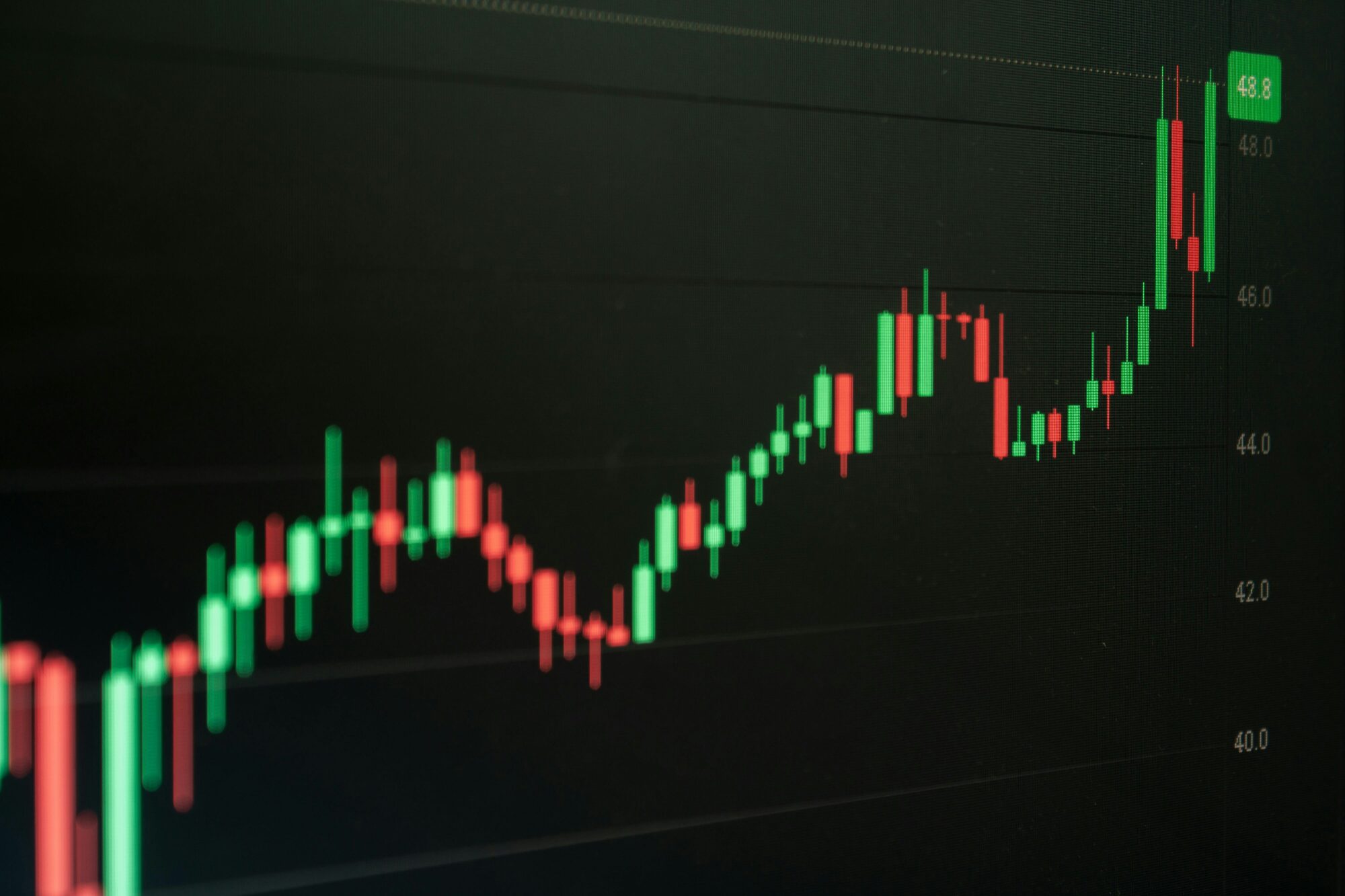
Pre-market movers are stocks that register significant percentage price changes or abnormally high trading volume during this window. Because overall pre-market liquidity is lower than in the regular session — with fewer participants and thinner order books — a relatively modest number of shares can drive a large percentage move. This makes pre-market price action both highly informative and potentially misleading, as moves can reverse sharply once the full market opens and institutional liquidity enters.
What Causes Pre-Market Gainers and Losers: Catalysts That Drive Early Price Action
Pre-market movers are almost always responding to a specific catalyst — a piece of news or data that has emerged since the previous session’s close. Understanding the most common catalyst types helps investors assess the credibility and likely durability of a pre-market move.
Earnings releases are the single most frequent driver of large pre-market moves. When a company reports quarterly results before the market opens — beating or missing on earnings per share (EPS), revenue, or forward guidance — the stock can gap up or down dramatically before a single share trades in the regular session. An earnings surprise — positive or negative — is the primary catalyst behind the most volatile pre-market sessions of the year.
Economic data releases scheduled for 8:30 a.m. ET — including the monthly Non-Farm Payrolls report and Consumer Price Index (CPI) — routinely generate broad pre-market moves across index futures and rate-sensitive sectors, as investors rapidly reprice growth and inflation expectations.
Corporate news and announcements — including mergers and acquisitions, FDA drug approvals or rejections, analyst upgrades or downgrades, management changes, product launches, and regulatory actions — can all trigger concentrated pre-market moves in individual stocks. Overnight geopolitical or macroeconomic developments — particularly those that affect commodity prices, foreign exchange rates, or emerging market sentiment — can also ripple through pre-market trading, especially in energy, materials, and multinational technology stocks.
How to Read Pre-Market Volume, Float, and Percentage Move Data
Three data points — percentage change, pre-market volume, and float — are the most useful for evaluating the significance of a pre-market move and assessing whether it is likely to hold or reverse once the regular session opens.
Percentage change measures how far the stock has moved from the previous close. A move of 1–3% is considered moderate in pre-market terms; moves exceeding 5–10% typically indicate a significant catalyst and will draw broader institutional attention at the open. However, percentage change alone is insufficient — it must always be evaluated in the context of volume.
Pre-market volume is the number of shares traded during the pre-market session. A large percentage move on low volume — say, fewer than 50,000 shares — may reflect a thin, illiquid move driven by a small number of trades, with limited predictive value for the regular session. The same percentage move on volume of 500,000 or more shares suggests genuine conviction from multiple market participants and is generally considered a more meaningful signal. Comparing pre-market volume to a stock’s average daily volume provides the clearest context.
Float — the number of shares available for public trading, excluding insider and restricted holdings — matters because it determines how many shares need to trade to produce a given price move. A stock with a low float of 5 million shares can be moved dramatically by a small amount of pre-market buying or selling. Low-float stocks are disproportionately represented among the most extreme pre-market movers — and carry commensurately higher volatility risk when trading near the open.
How Investors Use Pre-Market Movers to Prepare for the Trading Day
Monitoring pre-market movers is one of the most widely practised morning routines among active investors and traders. The primary value is not in acting on every pre-market move — it is in building situational awareness: understanding which stocks carry event risk into the open, which sectors may face unusual pressure, and whether index-level futures suggest a risk-on or risk-off session ahead.
Professional investors typically scan pre-market data across several dimensions simultaneously: reviewing the top percentage gainers and losers, cross-referencing moves against the news or earnings calendar, assessing whether volume is sufficient to validate the move, and monitoring implied volatility for event-driven names. Pre-market gap analysis — tracking how far a stock has gapped above or below its prior close — is a standard component of both day trading preparation and institutional portfolio risk review.
Several free and professional-grade platforms provide real-time pre-market mover data. Barchart offers a comprehensive pre-market overview including percent advances, declines, and gap data. Stock Analysis provides a clean real-time feed of top pre-market gainers and losers. TradingView displays pre-market movers alongside chart overlays, and Investing.com aggregates pre-market quotes with associated news headlines for rapid catalyst identification.
Conclusion
Pre-market movers are one of the most information-rich data sets available to U.S. equity investors before the trading day begins. They reveal which stocks are responding to overnight catalysts, how the broader market is positioned ahead of the open, and where elevated volatility may concentrate once the regular session starts. Reading pre-market gainers and losers with discipline — accounting for volume, float, liquidity, and the nature of the underlying catalyst — transforms raw price data into actionable intelligence for the trading day ahead.