NEW YORK — The S&P 500 is clinging to a gain of 0.35% at midday, but the tape is fracturing — and the fracture lines run straight through a ceasefire deal that Wall Street has been pricing in all week but that the White House has yet to officially endorse.
A Tape Divided by a Signature
At 1:30 PM ET, the Dow Jones Industrial Average is sitting at its session high, up 0.75%, while the Nasdaq Composite (+0.37%) and S&P 500 (+0.35%) have retreated from their own intraday peaks. The Russell 2000 is down 0.61% — a meaningful divergence that says something specific about where conviction sits right now. Large-cap tech and financials are pulling the index forward. Everything else is waiting.
The proximate cause of the mid-session retreat is reporting that a U.S.-Iran ceasefire agreement may be stalling ahead of a presidential endorsement. Yesterday’s news described a 60-day memorandum that would extend the ongoing ceasefire and begin restoring commercial vessel flows through the Strait of Hormuz. The problem is that President Trump has not yet signed off on it. Markets ran hard on the headline. They’re now recalibrating on the fine print. Whether the ceasefire trade can survive a Friday reality check is exactly the question traders have been asking since the open.
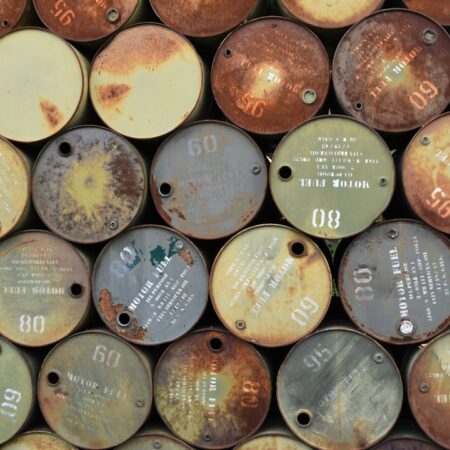
Crude oil is behaving as though partial confidence remains. West Texas Intermediate fell 1.4% to $87.66 per barrel, and Brent crude slipped 1.3% to $92.47. The direction is right for a de-escalation trade — but neither contract has collapsed, suggesting the market isn’t pricing in a full breakdown of talks. It’s pricing in delay.
Dell’s $60 Billion Quarter Changes the AI Infrastructure Conversation
Strip away the ceasefire noise, and the session’s defining event is Dell Technologies surging more than 33% after reporting $60 billion in AI server sales for its fiscal first quarter — a figure that didn’t just beat expectations, it redrew them. Shares briefly approached the $400 range in pre-market trading before settling into their current post-open range. The company raised full-year guidance, and the market responded with the kind of move you see when an entire sector re-rates in a single session.
Dell isn’t a pure-play AI name. It sells laptops, enterprise storage, and services businesses that have nothing to do with data center buildout. That’s what makes this result significant. When a diversified hardware company posts $60 billion in AI infrastructure revenue in a single quarter, the demand signal isn’t speculative — it’s operational. For a full breakdown of what Dell’s print means for the broader AI infrastructure race, our earlier analysis goes deep on the structural implications.
IBM gained 4.72%, Salesforce added 4.19%, and Microsoft climbed 2.92% — a cluster of enterprise technology names that benefit when capital expenditure on AI infrastructure accelerates. Micron Technology rose 4% and Qualcomm added 3%. For the month, Micron is up 86% and Qualcomm has gained 40%, though both entered May well off their highs. Apple is ahead nearly 15% in May alone, more than double its April pace.
The S&P 500 technology sector is up nearly 2% at midday. Financials are also in positive territory. Together, those two sectors represent more than half the index’s weighting — and right now, they’re the only reason the headline number stays green.
Where the Selling Is Concentrated
The Russell 2000’s 0.61% decline is the session’s clearest tell. Small-cap stocks are rate-sensitive and domestically exposed — they benefit most from a clean macro backdrop and suffer first when geopolitical certainty evaporates. A ceasefire deal in limbo, combined with April core PCE still running at 3.3% annually, leaves the Fed’s path no clearer than it was yesterday. The central bank is in its blackout period through June 10 — no speakers, no guidance, no relief valve for uncertainty.
Within the Dow, the laggards are telling. Nike is off 0.97%, Procter & Gamble down 0.86%, and American Express lower by 0.70%. Consumer staples and discretionary names — businesses that need a confident, spending American consumer — are underperforming. That’s a soft signal about demand expectations, not a crisis, but it’s worth tracking if the pattern persists into the afternoon.
The broader earnings picture from this week is genuinely strong. Dollar Tree jumped 17.9% after posting adjusted earnings of $1.74 per share against a consensus of $1.53. Best Buy added 15.8% on a beat of its own. Snowflake soared 36.5% after revenue of $1.39 billion topped the $1.32 billion estimate. Whether Snowflake’s surge is masking underlying fragility in this market is a question that deserves more scrutiny than the headline number suggests. These are not marginal beats — they’re structural re-ratings. But they’re happening in a week when the macro tape, specifically the Iran situation, could still turn sharply.
Into the Close: What Could Shift the Afternoon
No major economic data is scheduled for the remainder of the session. The Federal Reserve’s blackout period means no officials will speak. That puts all the afternoon’s price action in the hands of two variables: any update on the Iran ceasefire memo, and whether the tech-led rally can hold its gains as the 3:00 PM ET rebalancing window approaches.
The S&P 500’s nine-week win streak is a statistic traders will be aware of heading into the final hour. Streaks of that length have historically attracted both momentum buyers and profit-takers in the same session — and on a Friday, the latter group tends to win late. April’s PCE data, released Wednesday with core at 3.3% and headline at 3.8%, didn’t derail the rally, but it also didn’t give the Fed any new reason to cut. That backdrop keeps a ceiling on how aggressively rate-sensitive sectors can rally.
The geopolitical variable is harder to model. The Iran ceasefire has shown real fragility in prior sessions. A Trump sign-off before the close would likely push the Dow to new highs and bring crude lower. An explicit rejection would reprice energy and defense names fast. The most likely outcome — continued silence — leaves the tape exactly where it is: cautiously positive, narrowly led, and vulnerable to a late-session headline.
| Level / Event | Value | Signal |
|---|---|---|
| S&P 500 support | 7,540 | Closing below here on a Friday would mark the first real crack in the nine-week advance |
| WTI Crude | $87.66 | A move below $86 signals full ceasefire trade confidence; a spike above $90 means talks have broken down |
| Russell 2000 decline | -0.61% | Small-cap underperformance confirms risk appetite is narrow; watch for widening spread vs. S&P into the close |
| Iran ceasefire headline | Unsigned | Trump sign-off before 4 PM ET would be a late-session catalyst; silence maintains current cautious tone |
| Fed blackout period | May 29–Jun 10 | No Fed speakers to soothe or spook markets — price action this week is purely data and geopolitical driven |
The afternoon setup is straightforward: a market that has run hard, on a narrow engine, into a Friday with an unresolved geopolitical variable and no central bank cover. That doesn’t mean the close is going to be ugly — but it does mean the session’s gains are more fragile than the Dow’s headline number suggests. Tech holds, the S&P 500 holds. Tech fades into rebalancing, and the Russell’s losses become the story traders carry into the weekend.
This article is published by PreMarket Daily for informational purposes only. Nothing here constitutes financial advice, investment recommendations, or an offer to buy or sell any securities. Always consult a qualified financial professional before making investment decisions.




No Comment! Be the first one.